Who is Karol Rathaus and why we are making this film
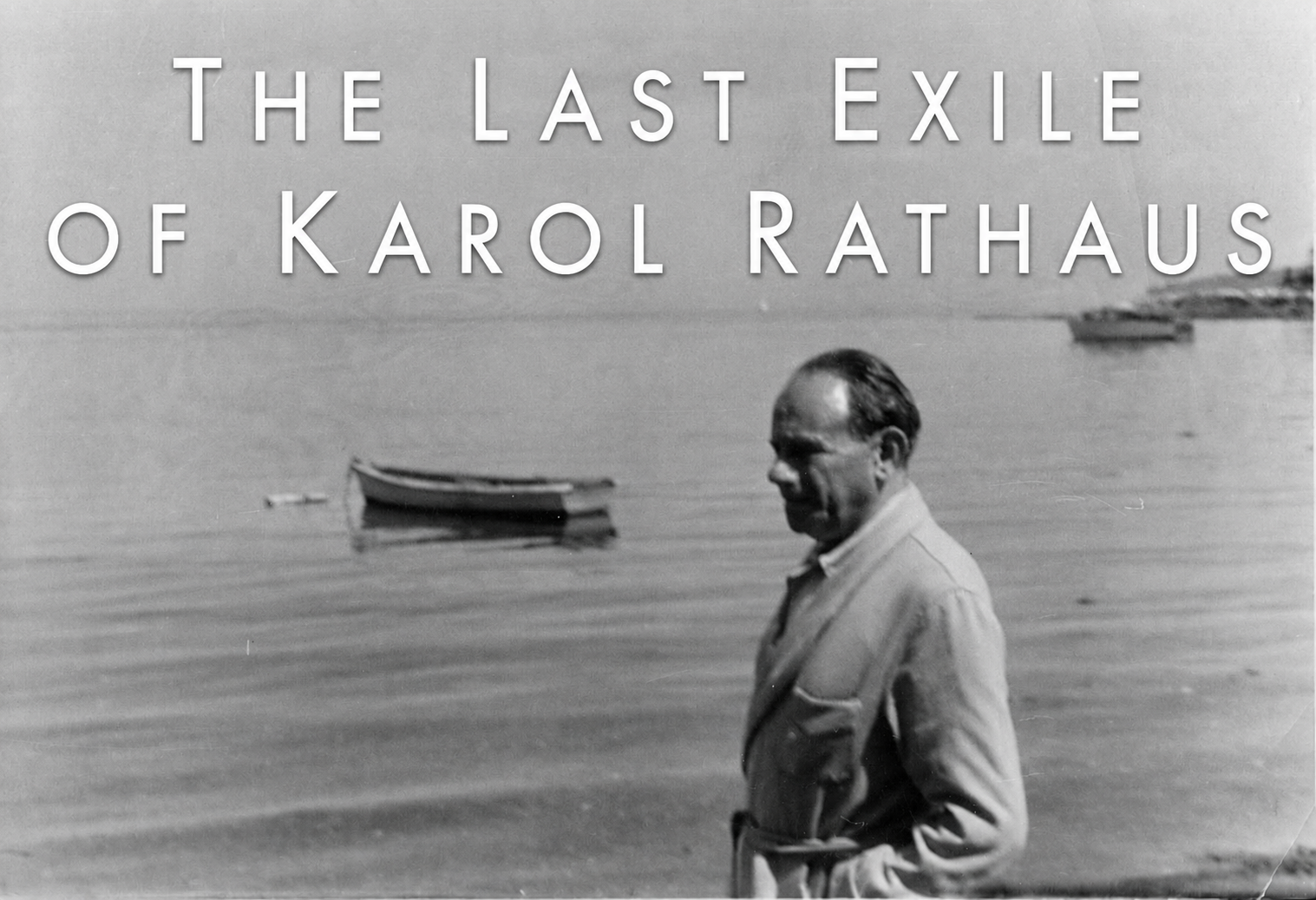
Once one of Weimar Berlin’s most promising composers, Karol Rathaus escaped the Nazis, but lost his career, his cultural world, and any certain sense of who he was. “Hitler killed composer Karol Rathaus,” his son would later say. Born Jewish into a Polish-speaking family in Galicia and formed by German culture, Rathaus was forced to reinvent himself with every new exile. Guided by his letters, stark animation, and a young musician retracing his journey across Europe and America, the film enters the private world of an artist searching for a home within identities that history had shattered. It asks what remains when exile strips a person of nearly everything.
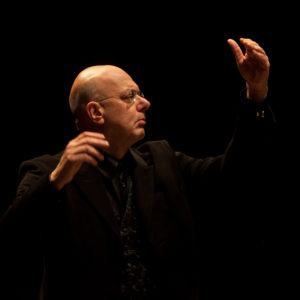
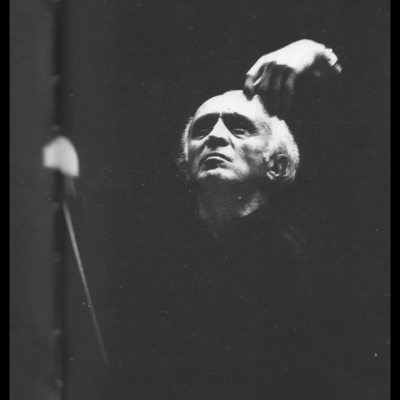
Maestro Leon Botstein in an interview with the producer of "Discovering Karol Rathaus"
.
The team behind the film
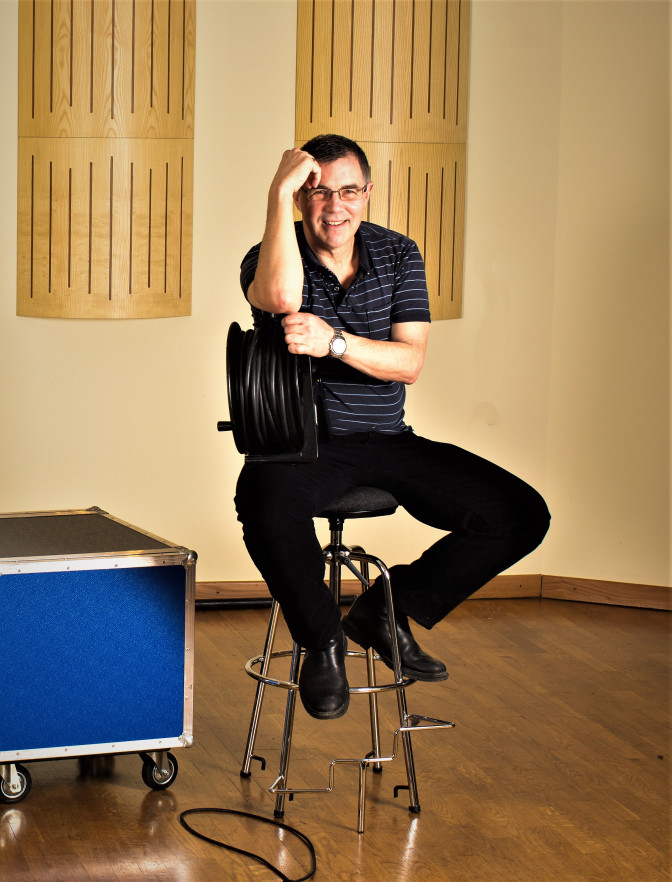
Michael Haas
Producer
Michael Haas is an award winning recording and executive producer who worked with major music labels such as Decca, Sony, Deutsche Grammophon, etc. His most highly regarded work has been in the recovery of music lost during the Nazi era in Europe, including London/Decca’s recording series Entartete Musik of works thought lost, forgotten or destroyed. After publishing book “Forbidden Music: Music of Jewish Composers Banned by the Nazis” he was invited to become a senior researcher at the exile.arte Zentrum of Vienna University for Music and Performance Arts.
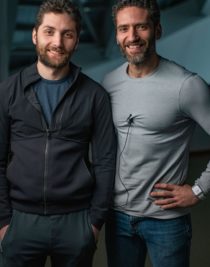
Daniil and Sergei Deych
Directors
Daniil and Sergey Deych are two brothers, one of whom (Daniil) divides his time between making films, writing and doing data analysis, and the other (Sergei) is a classically trained pianist. Daniil graduated from Queens College with degrees in physics and films, spent a year in Vancouver film school, got his Master’s degree in economics from UT Austin. Sergey graduated from Manhattan School of Music and Aaron Copland School of Music and divides his time between making films with his brother and raising a family.
Music Director and Principal Conductor of American Symphony Orchestra and The Orchestra Now of Bard College, a scholar, and an expert in the history of European music. President emeretus of Bard College,
Photo by Matt Dine
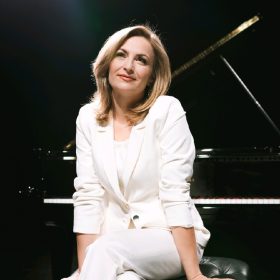
Pianist Alexandra Hałat
Polish Pianist, Chamber musician, Adjunct Assistant Professor at University of Silesia. Alexandra founded Karol Rathaus Ensemble, dedicated to promotion of Karol Rathaus’ music, and Karol Rathaus Foundation in Poland.
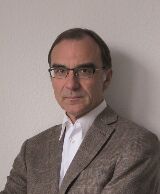
Frank Harders-Wuthenow
Promotion Executve at Boosey and Hawkes, the largest specialist classical music publishing company in the world. Boosey and Hawkes published a large number of Karol Rathaus’ compositions, with Frank Harders being one of Rathaus’ major champions.
Florian Scheding
Senior Lecturer in Music at the Department of Music University of Bristol, UK. Dr. Scheding work focuses on the displacement of European music and musicians caused by the catastrophes of the 20th century. His recent book, “Musical Journeys: Performing Migration in 20th-century Music” received the Royal Musical Association/Cambridge University Press Monograph Prize 2020.
Karol Rathaus in his own words and the words of others
Maestro Leon Botstein
We like to see the people whom we can understand easily. Rathaus is extremely hard to understand – a wonderful composer but he does not fit into a neat category.
Maestro Leon Botstein, in an interview for Discovering Karol Rathaus
Bernard Herrmann
The music of the Karamazoff (written by Rathaus) is one of the most imaginative achievements in sound films
Bernard Herrmann, an American film composer
Bernard Rathaus
Hitler killed composer Karol Rathaus
Bernard Rathaus, composer's son
Jasha Horenstein
My problem is that of the independent and individual composer. I have no embassies that stand behind me, no propaganda machine; in the country where I live very happily, I’m considered a non-native
Karol Rathaus, from the letter to conductor Jascha Horenstein
Robert K. Schwarz
A new CD devoted entirely to Rathaus’s music reveals a composer of stature possessed of enormous skill and personality: a man whose name might be known today had his career not been disrupted at its moment of greatest promise.